Graduate accommodation in Oxfordshire: housing a whole cohort
How HR can house a graduate or intern cohort in Oxfordshire: which home type suits single hires, moving in together, notice and end dates, and what to ask B-Hive.
Published8 min read
On this page
Your graduate scheme or summer internship starts on a fixed date, and a dozen people need a bed that week. Cohort hires are often on a first salary and new to the area, and you don’t want them spending the first month looking for a room in a flat share.
This post looks at graduate accommodation in Oxfordshire from the HR side: which B-Hive Living home type suits single hires, how a cohort can move in together, what to ask about dates and notice, and what to check before you promise anything.
What graduate accommodation in Oxfordshire suits a single hire?
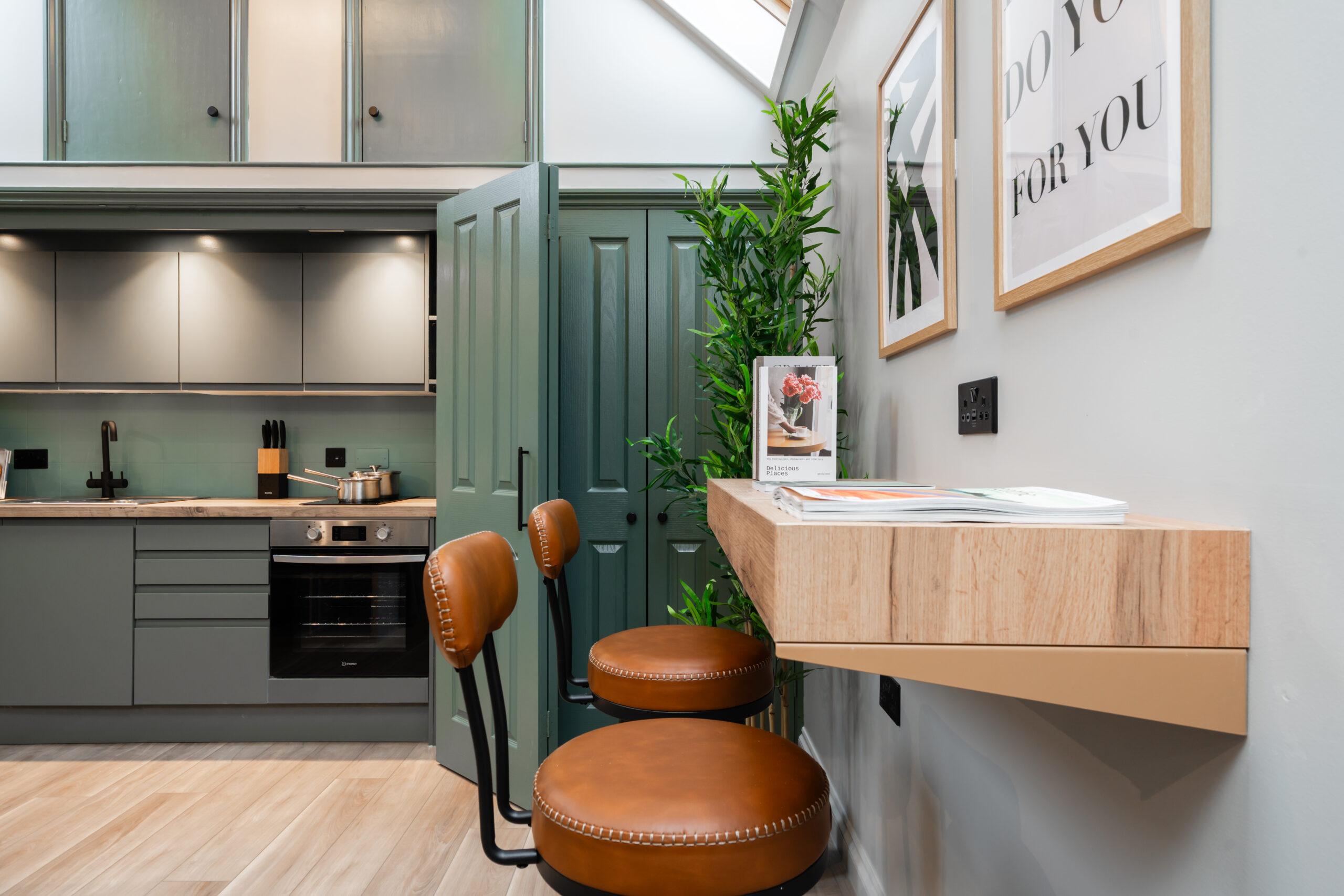
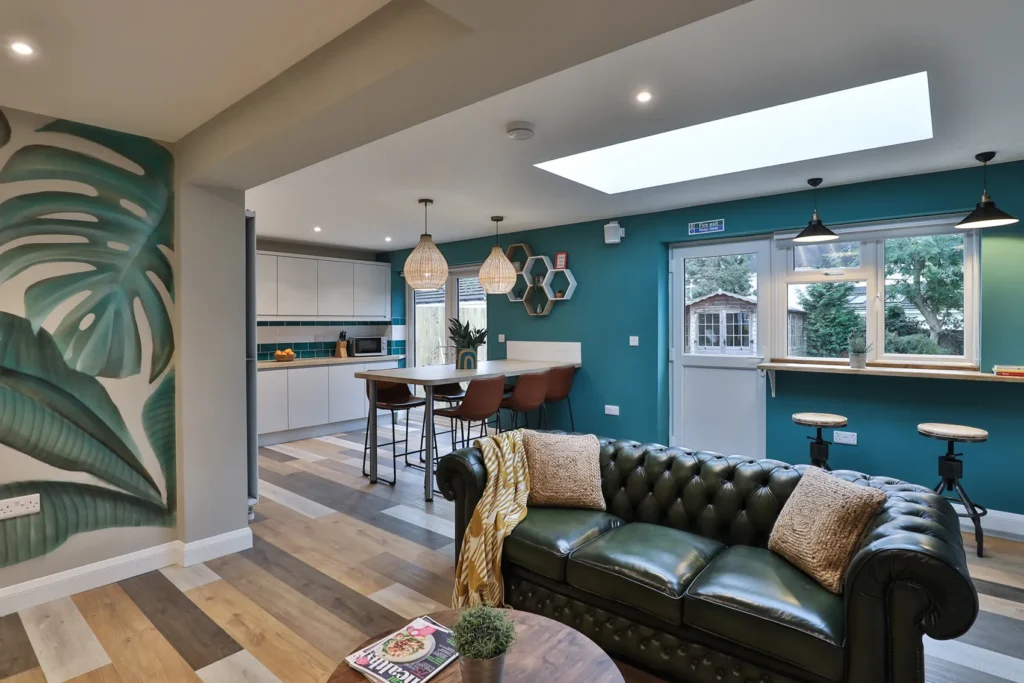
For a single hire, start with a co-living en-suite room: a private room with its own shower room, in a shared home with a shared kitchen and living space. The rent covers every bill, including council tax.
B-Hive’s co-living rooms are in Bicester and Kidlington. The Hive en-suite is 12 to 15 square metres for one person and is advertised from £995 a month. The larger Hive Plus is 16 to 22 square metres and takes up to two. Studios and one-bed flats are in Bicester only, and they suit someone who wants their own kitchen, although they cost more and the rent leaves out council tax and the TV licence.
The advertised figure is the price for stays over 6 months. Short stays carry a premium on the monthly rent, and B-Hive hasn’t said how that applies to company bookings. A summer internship is a short stay, so ask for a quote for your actual dates before you budget. Our homes page shows the types side by side.
B-Hive’s corporate page says a private en-suite room in a shared home gives a new hire a community from day one while they settle in. For an early-career cohort, that community is worth weighing against the privacy of a studio.
Can HR bring a whole cohort in on the same date?
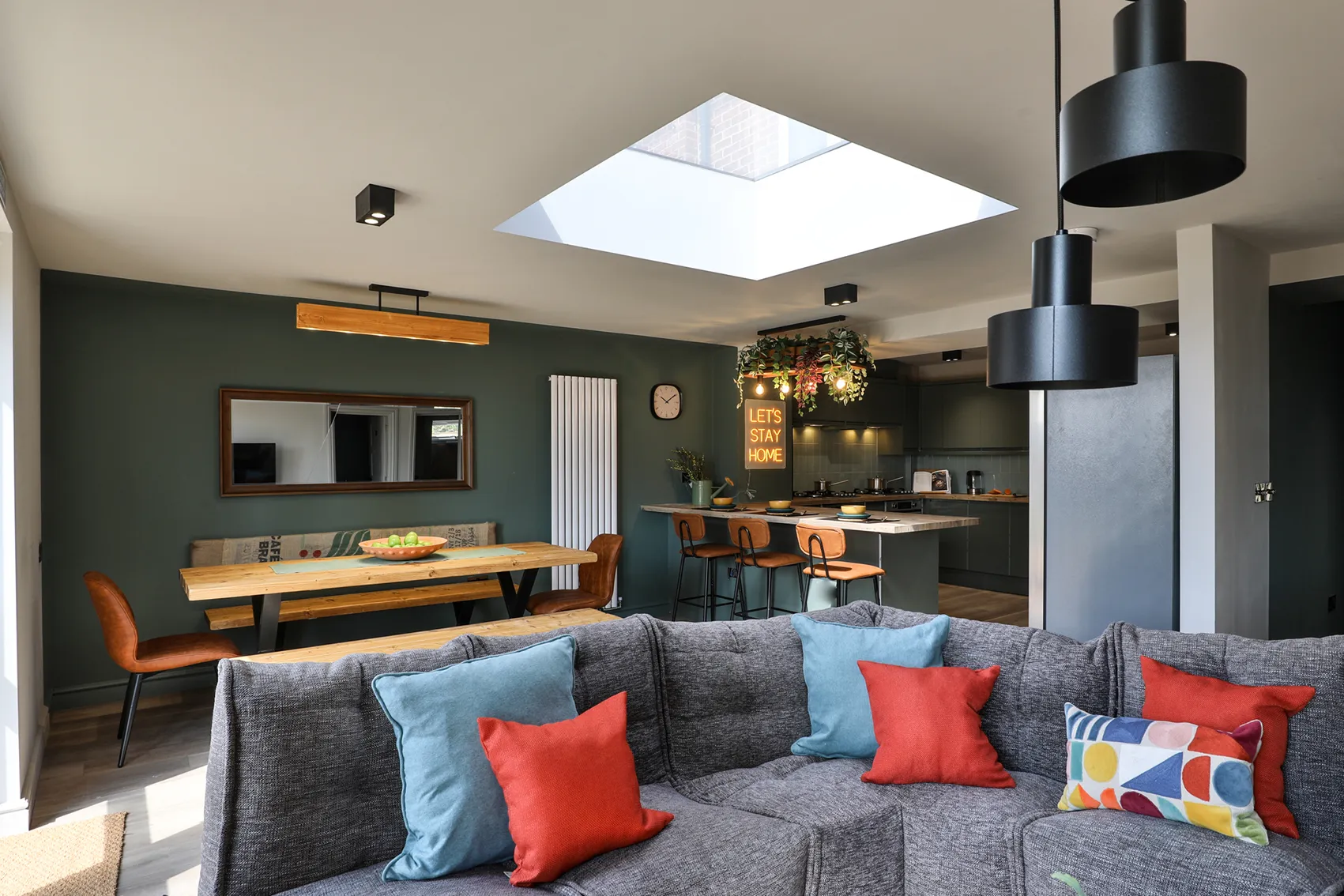
B-Hive says one team coordinates multi-unit bookings, so you don’t manage several reservations separately, and that its move-in ready properties can accommodate teams of different sizes, coordinating move-ins, access and ongoing resident services. No capacity is stated, so how many people can arrive on one date is a question for B-Hive, not an assumption.
The gaps are worth knowing before you promise anything to the cohort. It isn’t confirmed that B-Hive can hold rooms for a company, that a cohort will live in the same house, or that group bookings carry any discount. B-Hive’s own FAQ also says its homes suit relocating employees and individual placements, not multi-occupancy site housing, and that it will say honestly whether it’s the right fit if you give it the headcount.
Send the numbers early: the cohort size, the first day, the town you prefer and whether people can be split across homes. Then ask three things. Can everyone have a room from the same date? Will they be in one home or several? What happens if two people drop out in the final fortnight? If the cohort arrives in waves, give B-Hive each arrival date in the enquiry. Our post on what to send in a corporate housing brief lists the details worth including.
What should you ask about start dates, end dates and notice?
Tell B-Hive the first and last day of the placement, then ask whether the agreement will be periodic or fixed term. The notice rules are different, and the difference decides what happens if the cohort ends earlier or later than planned.
| Contract type | What B-Hive says | What to check for a cohort |
|---|---|---|
| Periodic | Rolling contract with 2 months’ notice | Whether the notice period would apply after the last day of the placement |
| Fixed term | Used for medium stays, such as 2 to 3 months. No notice period, and it can’t be ended early | Whether the end date matches the placement, because no one can leave early |
Ask us to set out the contract type and its terms in writing before you decide. Our post on periodic versus fixed-term corporate housing compares the two in more detail.
The minimum stay is 1 month for every home type and there is no maximum, so a placement of any length from a month up is possible. That makes the quote the thing to compare. A graduate scheme that runs for a year is priced differently from a ten-week summer placement, and the quote should say so.
Two further points are practical. Rent is by direct debit on the 1st of each month, with the first month pro rata, so a mid-month start isn’t charged for the whole month. And B-Hive says it can invoice your company directly, or residents can pay individually. Whether a cohort gets one invoice is not confirmed, so ask.
If your cohort has different end dates, say so in the enquiry. Graduates on a rolling scheme and interns on a fixed placement are two different bookings, and the form asks for start and end dates and for the town (Bicester, Kidlington or either), so you can leave the town open. And if an intern is offered a permanent role, a periodic contract has no maximum stay, so they may not have to move out the week the placement ends. Check who holds the contract.
What does the rent cover, and what do interns still handle?
In a co-living room the rent covers electricity, gas, water, fibre internet and council tax, so interns don’t set up accounts. The communal areas are professionally cleaned. Cleaning of the private room is not part of what B-Hive has stated, so interns should expect to look after their own room.
The home is fully furnished. Laundry is a communal washer and dryer. Parking is free on the street in front of the houses on a first come, first served basis, so a cohort with cars can’t be promised a space each. Ask what the arrival setup includes.
House rules also matter more in a shared home. Smoking and vaping aren’t allowed in private or common areas, or on balconies and patios, and guests are welcome if they follow the guest policy. Put the rules in the welcome pack so no one finds out by accident.
How does shared living help early-career hires settle in?
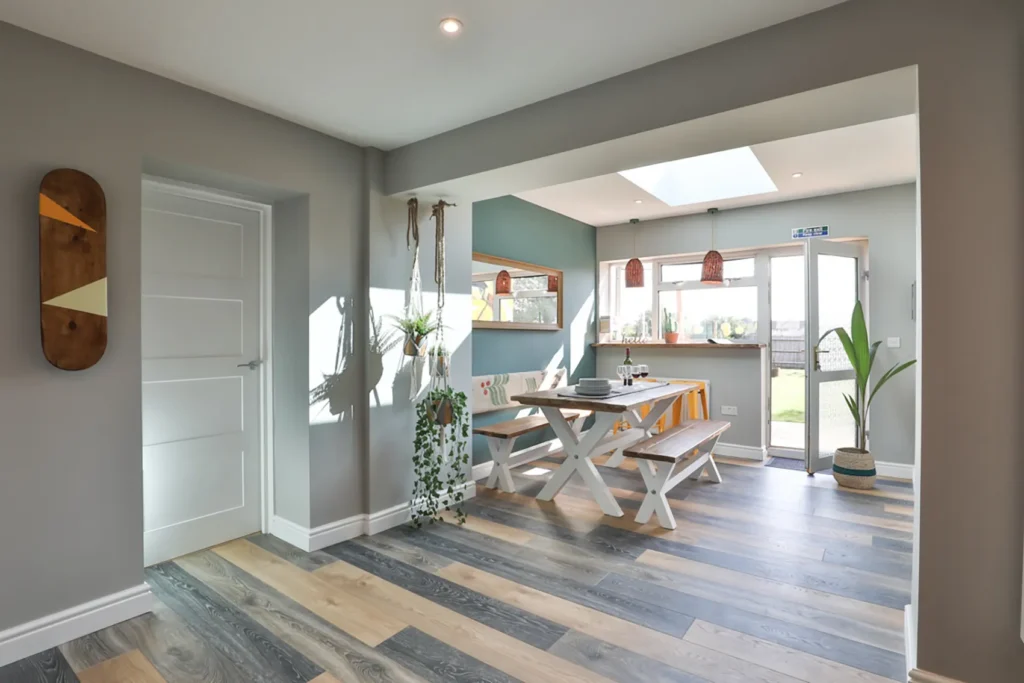
A private room plus shared kitchen and living space gives interns people to meet without having to organise it. B-Hive also runs a year-round programme of social and well-being activities in Bicester and Kidlington, such as international food nights, exploration trips, fitness sessions, workshops and events organised by residents.
Residents include independent and corporate professionals from all over the globe, so a cohort may live alongside other people, depending on which homes are available. That can suit hires who have just left university and are used to company. Someone who would rather have their own kitchen has the studio option in Bicester.
The programme isn’t a substitute for onboarding. Plan the working side yourself: a first-week schedule, a named buddy and a travel plan to the office. Ask B-Hive which events fall in the cohort’s first month, and tell the group that taking part is optional.
What does HR still need to organise?
You still run your own checks and induction. B-Hive says that every resident goes through vetting and referencing before moving in, so ask what each intern needs to supply and when.
The right to work check is yours. GOV.UK’s guidance on right to work checks says an employer must check that an applicant can work in the UK before employing them. For applicants who are not British or Irish citizens, you also check the applicant’s permission to do the type of work and any limit on hours, and for students you see evidence of their study and vacation times. Take advice if a student visa or a short placement raises questions.
It also helps to name one person in HR as the single contact for B-Hive. B-Hive says a corporate booking has one point of contact on its side, and the match is easier when both teams know who to ask.
Frequently asked questions
Is there a minimum stay for interns?
The minimum stay is 1 month for every home type and there is no maximum. Short stays carry a premium on the monthly rent, so ask for a quote for the dates.
Are interns’ rooms cleaned?
B-Hive states that the communal areas are professionally cleaned. Cleaning of private rooms isn’t part of what it has stated, so interns should plan to look after their own.
Can the company pay for the whole cohort?
B-Hive says it can invoice your company directly, or residents can pay individually. Whether one invoice can cover several people isn’t confirmed, so put that in your email.
How many people can B-Hive house on the same date?
No capacity is stated. B-Hive says one team coordinates multi-unit bookings. Send your headcount, start date and preferred town, and it will tell you whether it is the right fit.
Can interns have guests or smoke in the house?
Guests are welcome if they follow the guest policy. Smoking, including vaping, isn’t allowed in private or common areas or on balconies and patios.
To plan a cohort, send the number of people, the start and end dates and your preferred town through the corporate enquiry form, then email the rest of the detail to info@b-hiveliving.com.
Sources
- Checking a job applicant's right to work - GOV.UK GOV.UK (Government Digital Service), checked October 2026