Choosing a Room in a Shared Home When You Work Nights
Questions night-shift workers should ask about daytime sleep, shared-house noise, house rules and the return journey.
Published2 min read

On this page
Think about the hours you need to sleep
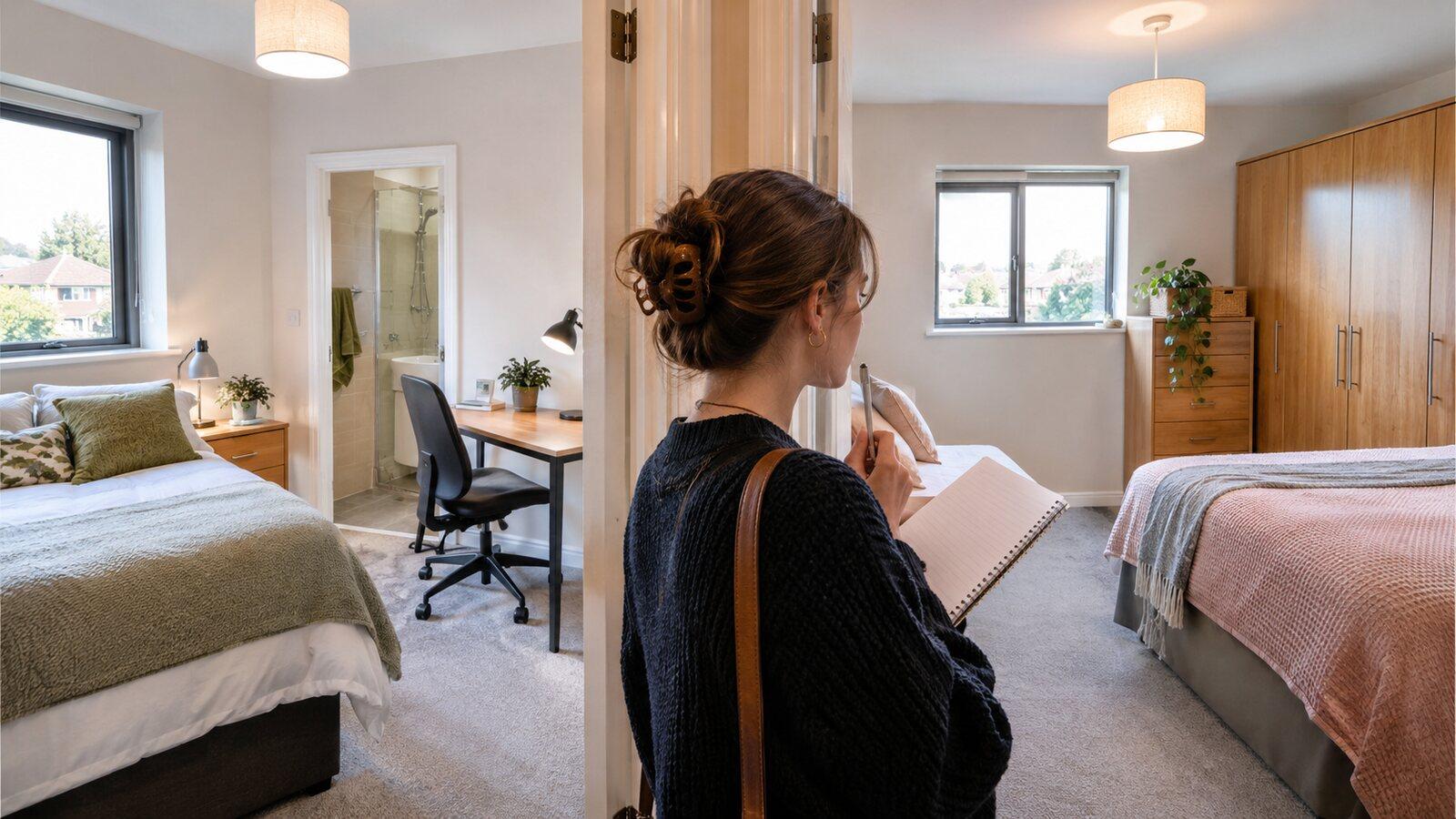
If you work nights, your room has to support daytime rest. Ask which rooms share a wall with the kitchen or entrance, whether windows face a busy road and how noise is handled in shared areas. Visit at the time you expect to sleep if possible. Ask about curtains, blinds and whether the bedroom door and windows close securely.
Check the household rhythm
Find out when cleaning, maintenance and communal activities usually happen. Ask how housemates are expected to handle late cooking, showers, laundry and calls. A clear rule is useful only if it works for everyone; check what happens when someone forgets or a repair needs access while you are resting.
Assess the room itself
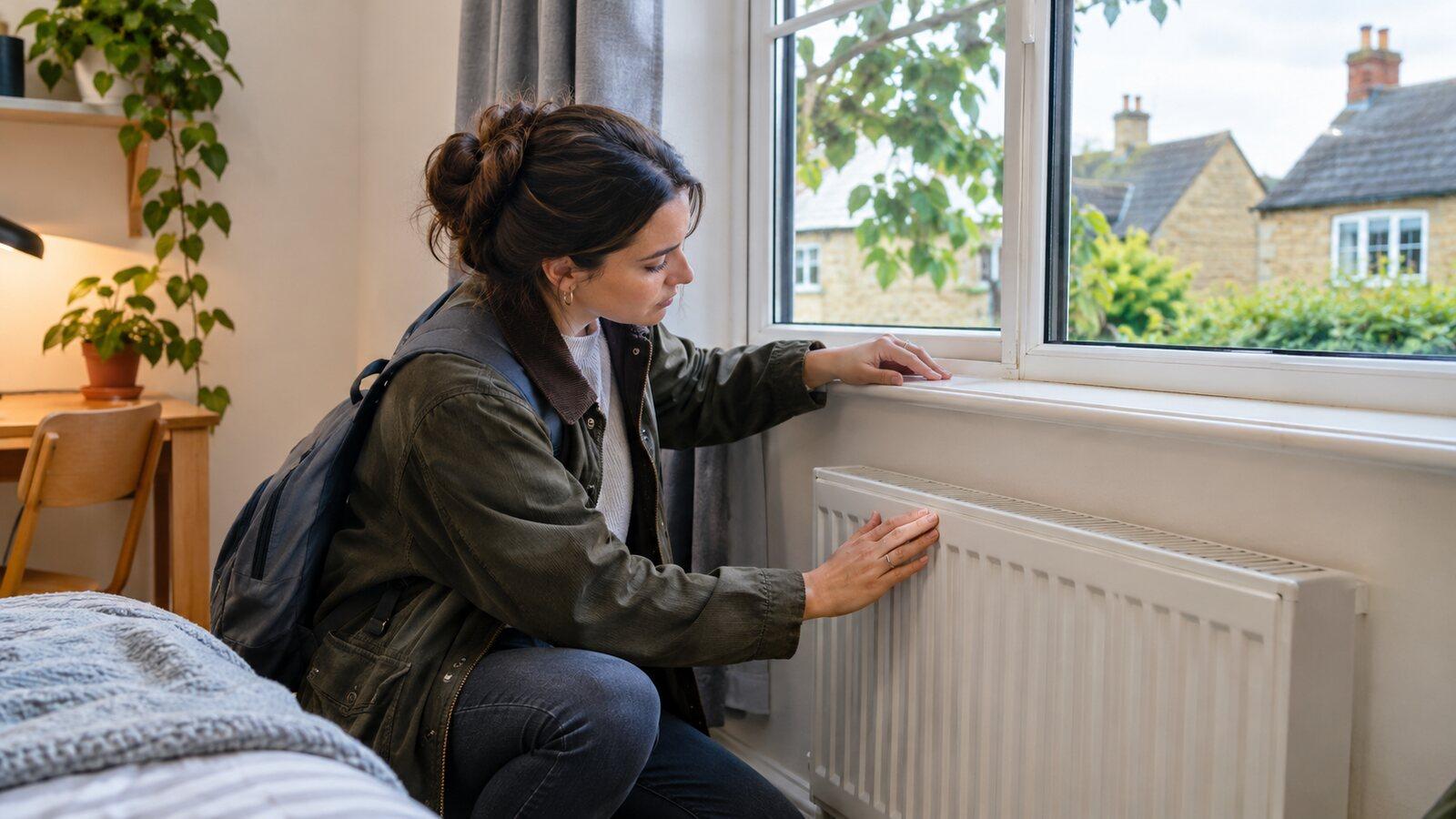
Look for space to store work clothes, meals and kit separately from sleep. Check ventilation, temperature controls and whether you can darken the room. Shelter’s rental viewing checklist suggests checking windows, heating, sockets and shared areas; bring your own questions about daytime noise and shift routines.
Test the trip home
A safe, reliable return after a night shift may matter more than the morning journey. Check the first and last bus or train for the actual days you work, the walk from the stop and what you would do if a shift overruns. Do not assume a weekday daytime timetable covers your rota.
Look at the window as well as the walls
Daytime sleep can be affected by light, outside activity and deliveries as much as housemates. Check the window orientation, curtains and whether the room overheats when closed. Ask whether a maintenance visit can be arranged around your sleep hours. If a room seems quiet during a short evening viewing, that does not tell you what the road or shared kitchen is like at midday.
Ask what happens when your rota changes
The room may suit your current pattern but not a future rotation. Ask how much notice residents receive about maintenance visits and whether the manager can contact you by text while you are sleeping. Confirm whether shared doors, laundry or kitchen access have quiet-hour restrictions that could make a new rota difficult.
Ask for a fit, not a promise
Explain your work pattern and ask how residents with different schedules manage the home. Get any agreed quiet hours or access arrangements in writing. B-Hive home listings can help you shortlist rooms to inspect against your actual shift.
Sources
- Checklist for viewing a property england.shelter.org.uk, checked November 2026