Booking From Abroad: How to Verify a Rental Before Sending Money
A step-by-step check for overseas renters: verify the home, agent, written terms and payment request before sending a deposit or rent.
Published3 min read

On this page
Treat a video tour as an introduction
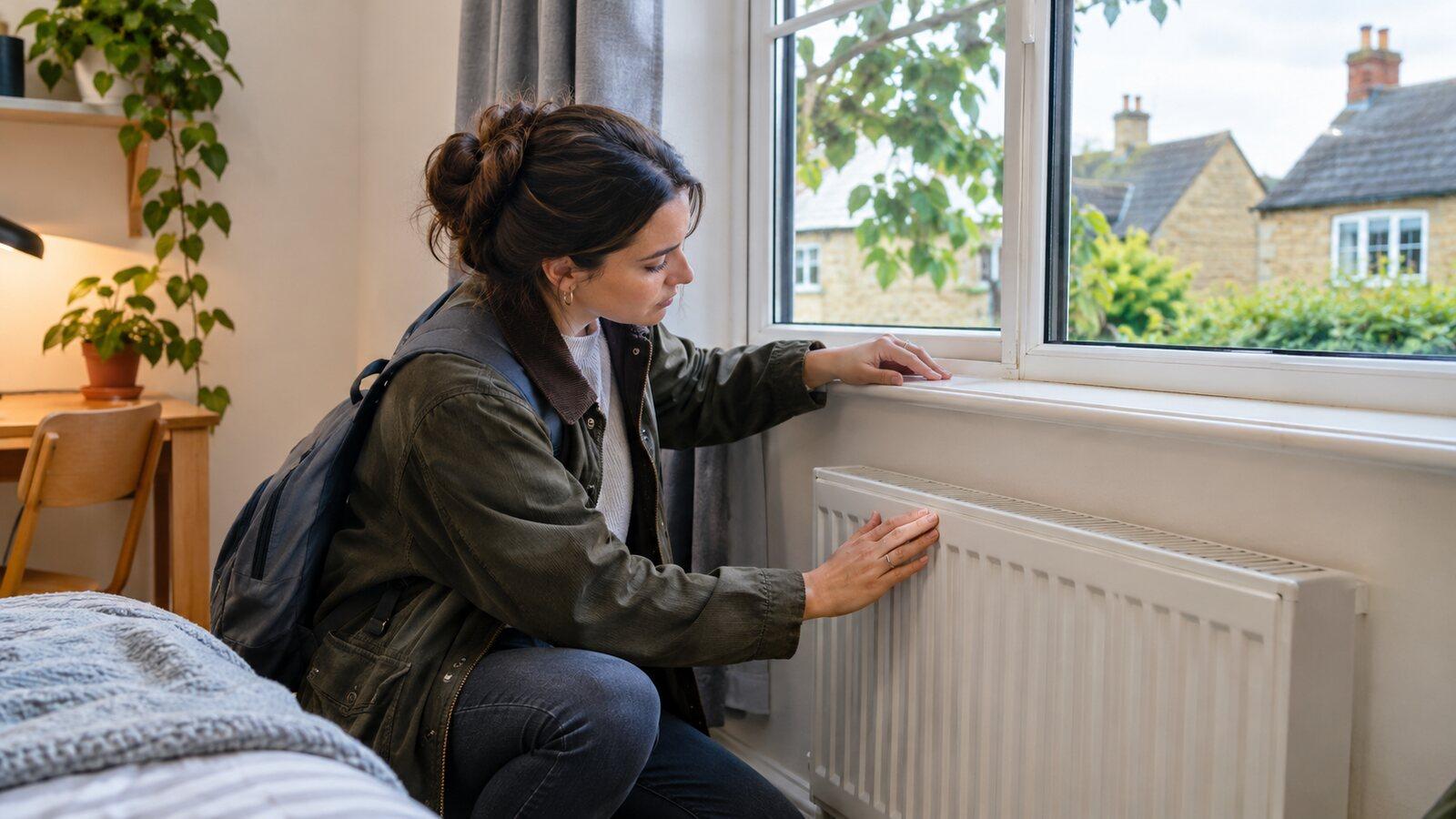
A video call can help you rule out a poor fit, but it is not the same as seeing the home in person. The property may not match the description, and a convincing video does not prove the person collecting money is authorised to let it. Shelter advises prospective renters to view in person before signing or paying where possible. If you cannot travel first, Shelter suggests considering short-term accommodation while you view homes locally. Read its guidance on viewing and handing over money.
Verify the property and the person
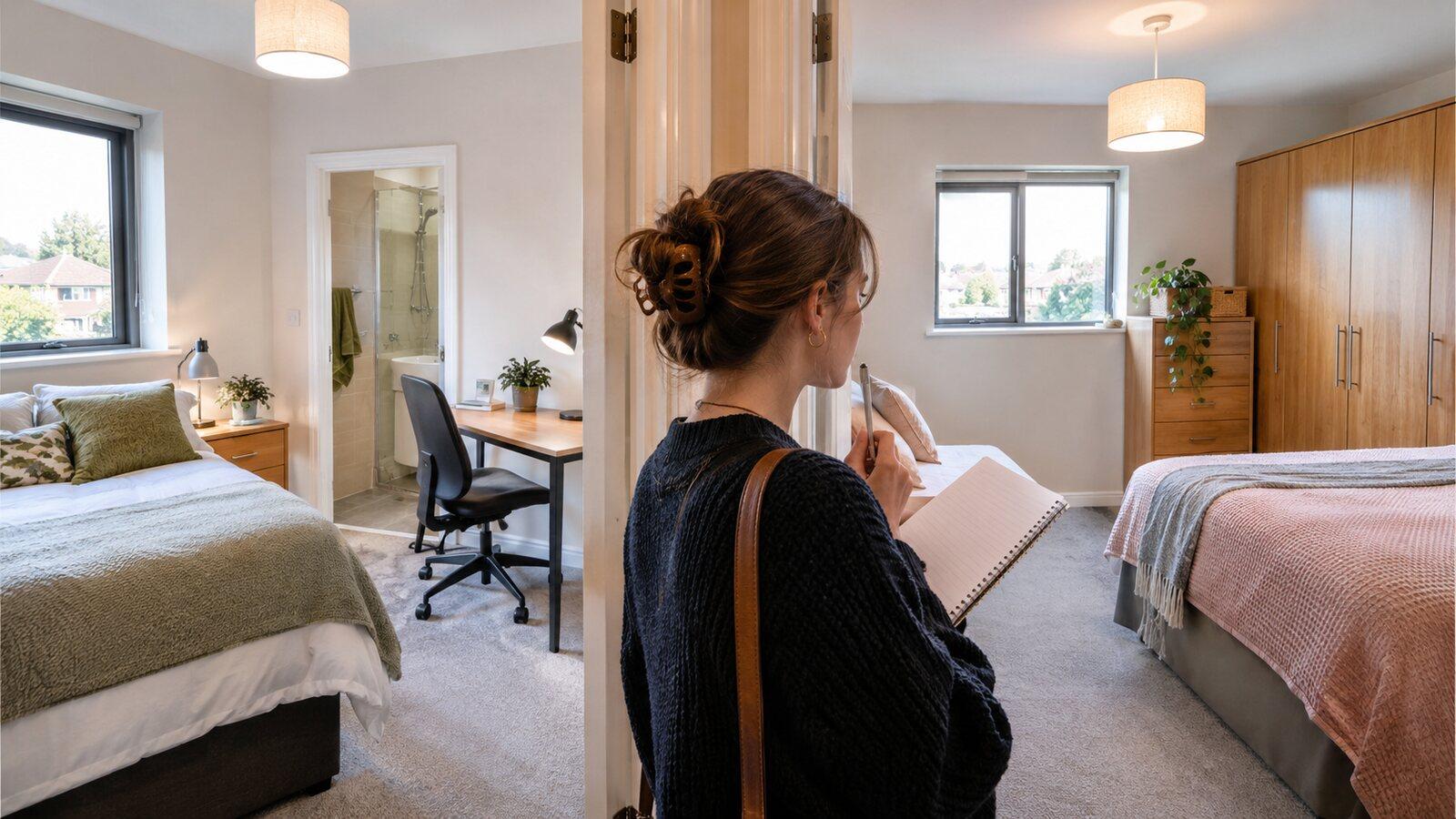
Ask for the full address, the name of the landlord or letting agent and a live tour that includes the entrance, room, shared spaces and any facilities included in the offer. Contact the agent through details you find independently, not only through a link in an email or message. If a company is involved, check its official website and phone number. Be cautious if you are discouraged from asking questions, pressured to pay immediately, or offered a price that seems unusually low.
Get the terms in writing
Before transferring funds, ask for the proposed agreement and check the property address, room, rent, what bills are included, start date, length or periodic terms, notice arrangements and who manages repairs. If something was promised during the tour, make sure the agreement or written correspondence records it. Ask what the payment is for and how it will be protected or returned if the arrangement does not proceed.
Understand the payment rules that apply
For assured periodic tenancies in England, current government guidance says a landlord or agent cannot ask for rent before the tenancy agreement is signed. A holding deposit is capped at one week’s rent, and after signing the landlord can usually ask for no more than one month’s rent in advance. Tenancy type matters, so read the government guidance on rent in advance and deposits and check your specific arrangement. Do not send money to a personal account simply because someone says it is urgent.
Use a safer arrival plan if details remain unclear
If you cannot confirm the home, the agent’s authority or the terms, pause the payment. Book a short stay, view the property and complete the checks from the UK. Keep copies of messages, the listing, agreement and payment instructions. A genuine provider should be willing to explain the process clearly.
Warning signs worth a pause
Stop and independently verify if the supposed landlord says they are overseas and cannot arrange a viewing, refuses to give the full address, changes bank details at the last minute or asks for payment by an unusual method. A real property can still be advertised by someone who has no right to let it, so check both the home and the person. Keep the original advert and all payment instructions. If you have already sent money and suspect fraud, contact your bank promptly and report it through the relevant UK fraud-reporting route.
Before you book
Send the address and written terms to someone you trust, independently verify the contact details, and keep enough flexibility to inspect the home before committing to a longer stay. For questions about B-Hive homes, use the contact route on the B-Hive website.
Sources
- guidance on viewing and handing over money england.shelter.org.uk, checked November 2026
- government guidance on rent in advance and deposits www.gov.uk, checked November 2026
- B-Hive website b-hiveliving.com, checked November 2026